LVT Fitter in Hullbridge SS5: What Bungalow Owners Need to Know First
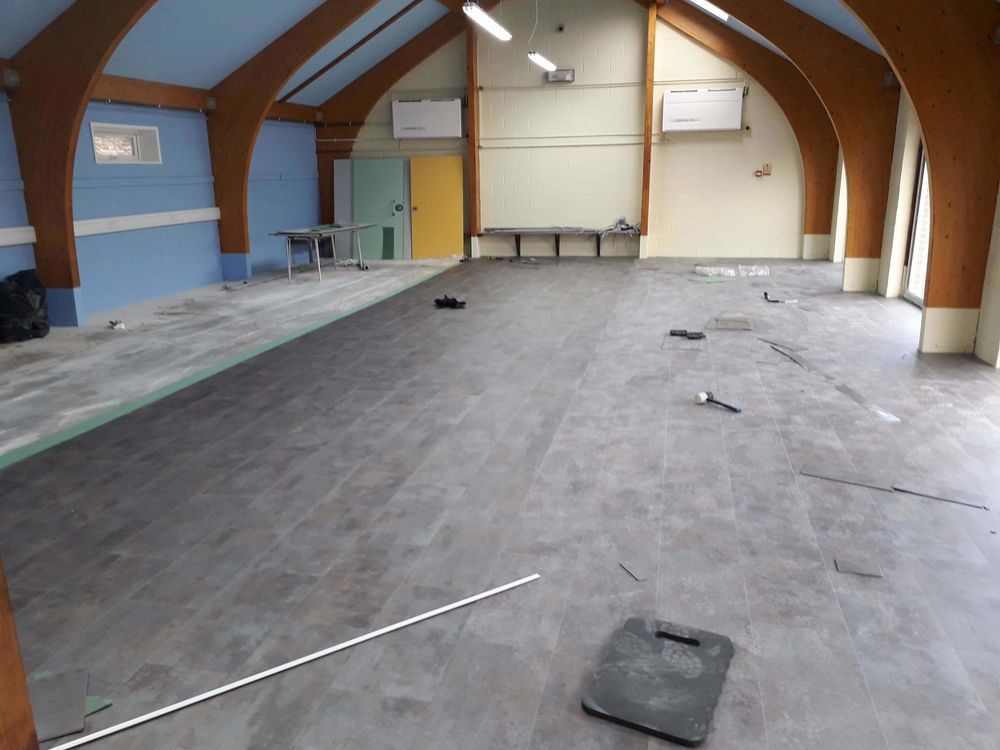
Hullbridge is bungalow country. Drive through the SS5 area on a Tuesday and you'll see more flat roofs and picture windows than almost anywhere else in Essex. Those post-war and 1960s bungalows are fine homes — but they come with a particular subfloor story that matters enormously when you're thinking about new flooring. I'm Graham Holmes, your local LVT fitter in Hullbridge, and I've been fitting floors in this corner of Essex since 1982. There are a few things worth knowing before you start.
Why Bungalows in Hullbridge Suit LVT So Well
Most bungalows around Hullbridge were built on concrete raft foundations — solid, single-storey slabs poured straight onto the ground. That's actually good news for luxury vinyl tile. LVT needs a stable, non-flexing subfloor, and a solid concrete slab gives you exactly that. No springy floor joists, no seasonal movement, no boards creaking six months after you've had the floor laid.
Engineered wood works fine in Hullbridge bungalows too — I've fitted it in some lovely living rooms here — but LVT has the edge where you're dealing with ground-level concrete, the occasional hint of residual damp, and original door frames that don't leave you much height to play with. A good 6mm rigid-core LVT is thinner than most engineered wood options and far more forgiving of minor surface imperfections.
The Catch: That Slab Is Not Always Ready
Here's what I find on almost every job in this corner of Essex. The slab is solid. The slab is out of level. And the slab has got forty years of old adhesive, residual damp, or both.
1970s vinyl floor tiles were stuck down with bitumen adhesive — a black, sticky compound that's nearly impossible to grind out without ruining your disc. You can't skim straight over it and expect the new adhesive to bond cleanly. The right answer is a levelling compound poured over it, once you've confirmed the moisture readings are within tolerance.
Damp is the other thing to get right. Ground-level slabs — especially near the River Crouch — can carry more residual moisture than a first-floor or suspended-timber floor would. A moisture barrier deals with it, but only if you've tested for it first. Skip the testing and your LVT will lift inside two winters. I've written a fuller guide on how to prep a subfloor for LVT if you want the detail before we talk.
What the Fitting Process Looks Like
A typical LVT job in a Hullbridge bungalow runs across a day or two, depending on size and what the slab needs. Day one is prep: strip back the old floor covering, assess the concrete, fill and level where needed, leave the compound to cure. Day two is laying — LVT planks go down, door bars are fitted, skirting is refitted or new quadrant beading installed.
For bungalows I generally recommend a thicker rigid-core product — 6mm or more — because it bridges minor surface undulations better than thin peel-and-stick vinyl. It also feels more substantial underfoot, which you notice more in a single-storey home than in a house with rooms above and below.
Choosing Your LVT: Planks, Tiles, or Something Else?
There's a wide range of LVT out there now, and the choice matters more than the marketing would suggest. For Hullbridge bungalows, wood-effect plank formats tend to work well in living rooms and bedrooms — they read as warm and contemporary, and the longer plank lengths suit the larger floor areas you get in open-plan 1960s layouts. Stone-effect tiles suit kitchens, hallways, and bathrooms, where something more practical-looking fits better.
What to watch out for is wear-layer thickness. Anything under 0.3mm is a false economy in a home with pets or regular foot traffic — you'll see scuffs within a year or two. A 0.5mm or 0.55mm wear layer is worth the extra outlay on any floor you're going to live on heavily.
The other choice is click versus glue-down. Click LVT is quicker to lay and easier to replace a plank later if you get a bad one. Glue-down is better over concrete where you're getting into areas with slight flex or movement — though on a solid slab, either works well if the prep is right.
Who Else I Cover in the Area
As your local Essex floor fitter, I work across Hullbridge and the surrounding villages — Hockley, out towards Rayleigh (SS6) to the south, and eastward through Battlesbridge (CM3 border) and into Wickford (SS11). Most jobs in this part of the world are bungalows, though I see plenty of 1970s semis and the occasional more recent new-build too.
If you want a rough budget before we speak, the flooring cost calculator on HowMuchDoINeed.co will give you a reasonable ballpark for an LVT job.
Ready to Talk?
If you've got a bungalow in Hullbridge and you're thinking about LVT, the simplest next step is to WhatsApp me with a couple of photos of your existing floor and a rough idea of how many rooms you're looking at. I'll tell you honestly what prep is likely needed and what to budget — no runaround.
Frequently asked questions
Is LVT a good choice for concrete slab floors in bungalows?
It's one of the best choices, yes. Concrete doesn't flex or move with the seasons the way timber joists do, and LVT loves a stable surface. The main jobs are getting it level and making sure any damp is dealt with before anything goes down.
How do I find out if my bungalow slab has a moisture problem?
You test it. A proper moisture reading — using a Tramex or similar meter — is essential on any ground-level slab, particularly in Essex where the water table is relatively high. If readings are above the threshold the LVT manufacturer specifies, a moisture barrier goes down first.
What do you do about old bitumen adhesive from 1970s floor tiles?
You don't remove it — you encapsulate it. A levelling compound poured over the top bonds to whatever's there and gives a clean, stable surface for the LVT adhesive or click system to go onto. Grinding it out risks embedding it deeper and contaminating everything.
How long does LVT fitting take in a typical bungalow?
A three-bedroom bungalow usually takes two days — prep and levelling on day one, laying on day two. Single rooms, or spaces that need minimal prep, can sometimes be done in a long single day.
Do you cover Hullbridge and the surrounding area?
Yes — Hullbridge village, Hockley, and the surrounding villages. I also cover Rayleigh (SS6), Battlesbridge, and Wickford (SS11) regularly. WhatsApp me to check availability for your address.
Want a hand with your floors?
Message Graham on WhatsApp with a few details about your rooms and what you’re after.
More flooring guides
LVT Fitter in Bicknacre, CM3 — What Village Homes Need to Know Before You Start
Village homes in Bicknacre need a subfloor survey before LVT goes anywhere near them. Graham Holmes explains why, and what the fitting process actually looks like.
Herringbone & ParquetHerringbone Floor Fitter Maldon CM9 — Is Your Home Ready for It?
Herringbone floors look exceptional in Maldon's period homes — but there are a few things worth knowing before you book a fitter. Graham Holmes explains what matters.
LaminateLaminate Floor Fitter in Rettendon, CM3 — What Every Homeowner Gets Wrong Before They Buy
Graham Holmes, Essex floor fitter since 1982, covers Rettendon and the whole CM3 area. Here's what most Rettendon homeowners need to sort — subfloor and all — before laminate fitting can start.